The Journey to Minimalism: Effective Clutter Removal
In the ever-busy and chaotic world we live in today, finding tranquility and clarity often feels elusive. One solution that more and more people are turning to is minimalism--a lifestyle centered on living with less and focusing on what truly matters. Central to embracing this lifestyle is effective clutter removal. This comprehensive guide explores everything you need to know about starting your journey to minimalism and mastering clutter elimination for a healthier, happier home.
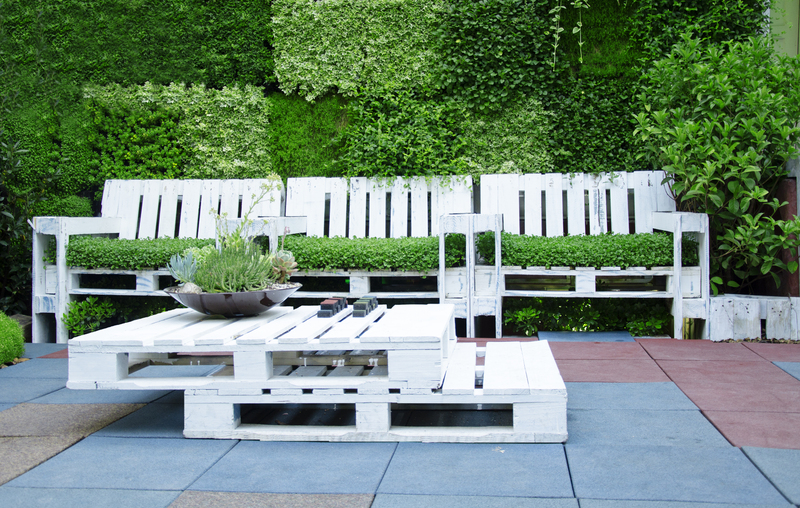
Understanding Minimalism: More Than Just Less
Minimalism isn't just about throwing away your belongings; it's a conscious approach to living. At its core, minimalism is about:
- Intentional living--curating your possessions and experiences to support your values
- Reducing excess--removing what no longer serves a purpose
- Creating space--both physically and mentally
Effective clutter removal is the first crucial step in this transformative process. It lays the foundation for a more peaceful environment and mindset.
The Impact of Clutter: Why Decluttering Is Important
Physical Effects of a Cluttered Space
Excessive clutter can lead to:
- Increased stress and anxiety
- Poor sleep quality
- Difficulties in cleaning and organizing
- Decreased productivity and focus
Mental and Emotional Impacts
Beyond the mess, clutter can weigh heavily on your mind. It can create feelings of overwhelm, guilt, and even embarrassment, impacting your well-being and relationships. By pursuing minimalist decluttering, you reclaim your environment and your peace of mind.
Preparing for Your Clutter Removal Journey
Set Your Minimalist Goals
Before diving into decluttering, clarify why you want to embrace minimalism. Ask yourself:
- What are my reasons for reducing clutter?
- What do I hope to gain--more time, space, or peace?
- Which areas of my life need the most decluttering?
Having clear intentions will motivate and guide you through the process. Write down your goals and revisit them whenever you feel stuck or overwhelmed.
Gather Supplies for Effective Clutter Removal
Equip yourself with:
- Sturdy bags or boxes for sorting items (keep, donate, trash)
- Cleaning supplies--since you'll uncover lots of dust!
- A notebook or smartphone to track progress and notes
- Labels and markers for boxes
Proven Strategies for Effective Clutter Removal
1. Start Small and Be Consistent
One of the most common decluttering mistakes is trying to do everything at once. Begin with one area, such as:
- A single drawer
- A closet or cabinet
- The kitchen counter
*Consistency beats intensity.* Commit to just 10-20 minutes each day. Small victories build momentum.
2. The Four-Box Method
A classic and powerful approach to clutter elimination. Prepare four labeled boxes:
- Keep
- Donate/Sell
- Relocate
- Trash/Recycle
As you examine each item, make a decision. Avoid the "maybe" pile, which only delays progress.
3. Ask the Right Questions
Effective minimalists assess objects with intention. *Ask yourself:*
- Have I used this in the past year?
- Does this item serve a purpose or spark joy?
- Would I buy it again today?
Let these questions guide you into making confident decluttering decisions.
4. Tackle Trouble Spots First
Some areas--like entryways, kitchens, and wardrobes--tend to accumulate the most mess. Prioritize these for initial decluttering breakthroughs and enjoy instant satisfaction from visible progress.
5. Digitize Where Possible
Go paperless by scanning receipts, photos, and documents. Use cloud storage or external hard drives to minimize the need for physical copies and reduce paper clutter.
Minimalist Decluttering Room by Room
Living Room
- Remove unused electronics, DVDs, or decor
- Keep surfaces clean and clear of papers and miscellaneous items
- Choose a few pieces of meaningful decor instead of many
Kitchen
- Pare down utensils, cookware, and gadgets to essentials
- Regularly clean out pantry items that are expired or unused
- Store appliances out of sight
Bedroom
- Edit your wardrobe; keep only loved and frequently worn items
- Use under-bed storage minimally and intentionally
- Maintain clutter-free nightstands
Bathroom
- Discard expired cosmetics and medicines
- Limit products to everyday essentials
- Organize by category using simple containers
Office or Study Area
- Go digital with files and notes
- Minimize office supplies
- Maintain only what supports productivity
Dealing With Sentimental Items
Decluttering sentimental items is one of the greatest challenges on the road to minimalism. Here are some compassionate strategies:
- Create a Memory Box: Reserve a special container for the most treasured mementos.
- Document Memories: Take photos of items to preserve memories without preserving the physical clutter.
- Display Selectively: Showcase one or two meaningful pieces rather than holding onto everything.
Remember, minimalism isn't about deprivation--it's about keeping what genuinely adds value to your life.
Staying Motivated on Your Minimalist Journey
Decluttering is an ongoing process. These tips can help keep your momentum:
- Celebrate achievements--recognize how far you've come
- Practice gratitude for the things you choose to keep
- Schedule regular decluttering sessions (monthly or quarterly)
- Consider accountability--involve friends or family
Benefits of Minimalism: The Rewards of Clutter-Free Living
Embarking on the journey of minimalism and clutter management brings life-changing benefits, including:
- Less stress and anxiety
- More time and energy
- A cleaner, healthier home
- Enhanced focus and creativity
- Financial savings through mindful purchasing
- Strong alignment between your environment and your values
Common Challenges on the Path to Minimalism
Dealing With Guilt or Fear
It's normal to feel anxiety or guilt about letting items go. Remind yourself that:
- Letting go makes space for new experiences
- Objects don't define your memories or accomplishments
- Others may benefit more from your unused items
Focus on the freedom gained by reducing physical and emotional burdens.
Overcoming Decision Fatigue
Making so many choices can be exhausting. To combat this:
- Limit the number of decisions per session
- Establish clear rules (e.g., if not used in 12 months, it goes)
- Keep your motivation visible--post your minimalist goals somewhere prominent

Maintaining a Clutter-Free Minimalist Lifestyle
One-In, One-Out Rule
Each time you bring a new item into your space, let go of one existing item. This prevents clutter from creeping back in.
Practice Mindful Consumption
Before buying, ask yourself:
- Is this needed, or am I acting on impulse?
- Will it serve a true purpose in my life?
This approach keeps you aligned with minimalist principles.
Regular Reflection
Assess your home regularly. Adapt your spaces as needs and lifestyles change. Minimalism is a dynamic practice--not a destination.
Conclusion: Embrace the Minimalist Lifestyle with Effective Clutter Removal
The journey to minimalism begins with intentional clutter removal. With patience, compassion, and specific strategies, anyone can create a serene, clutter-free home. Minimalism is less about deprivation and more about living mindfully--surrounding yourself with only that which supports joy, purpose, and peace. Begin your transformation today and experience the rewards of simplicity, space, and freedom.
Start Your Minimalist Decluttering Journey Now!
If you're ready to enjoy the countless benefits of minimalism, take the first step: pick an area, set your intention, and remove one piece of clutter. Watch as every small action leads to a bigger, more fulfilling change.
Your journey to a clutter-free life starts now!