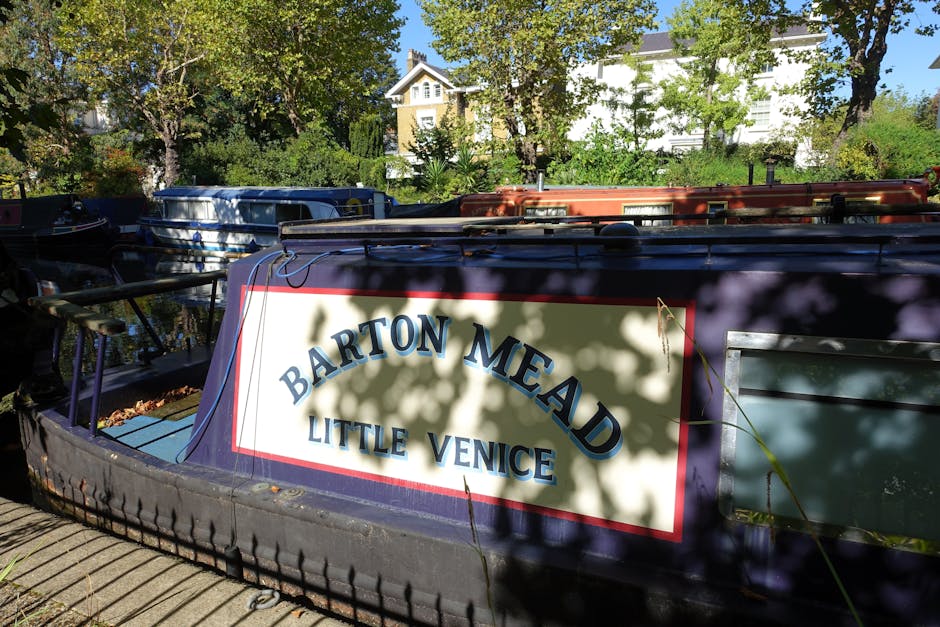
Maida Vale rubbish collection guide for Little Venice homes
If you live in Little Venice, you already know the area has its own rhythm: quiet canals, narrow streets, elegant stucco fronts, and the occasional moment where a bin bag, a bulky sofa, and a tight staircase all become part of the same problem. This Maida Vale rubbish collection guide for Little Venice homes is here to make the whole thing simpler. Whether you are clearing out a flat, managing regular household waste, or figuring out how to deal with an awkward pile of junk after a move, the goal is the same: get rid of it properly, quickly, and without creating extra stress.
Truth be told, rubbish collection in a central London neighbourhood can be a bit more complicated than people expect. Access is tighter, parking is limited, and not everything can go out with the standard council collection. That is where a clear plan helps. Below, you will find a practical breakdown of how rubbish collection works in and around Little Venice, what to watch for, and how to choose the right approach for your home. If you want to understand service quality and what a professional provider should offer, it can also help to review the company's health and safety guidance and insurance and safety information before booking anything in.
Practical summary: the best rubbish collection solution is the one that fits your access, your timing, your waste type, and your comfort level with handling the job yourself. That sounds obvious, but in Little Venice, those details make all the difference.
Why Maida Vale rubbish collection guide for Little Venice homes Matters
Little Venice is lovely, but it is not the easiest place to handle waste casually. A lot of homes sit on residential streets where space is limited, parking is tight, and access can be awkward for vehicles. If you are trying to move old furniture, builder's rubble, or just several weeks of accumulated household rubbish, it can quickly become a nuisance. Bags left out too early get in the way. Heavy items left too late become everyone's problem. And if it rains, well, London weather will do what London weather does.
This matters for three main reasons. First, it affects health and hygiene. Overflowing rubbish attracts odours, pests, and mess. Second, it affects neighbour relations. Nobody enjoys a hallway blocked by cardboard or a shared forecourt cluttered with waste. Third, it affects cost and convenience. If you do not plan properly, you may end up paying for extra collections, storage, or multiple trips to the tip.
There is also a broader sustainability angle. Sorting waste correctly reduces what ends up in landfill and makes recycling easier. If that is important to you, it may be worth looking at the company's recycling and sustainability approach as part of your decision-making. For many local households, the real win is simple: fewer trips, less mess, and a cleaner place to live.
In a neighbourhood like Little Venice, rubbish collection is not just about removing clutter. It is about keeping a home running smoothly without disturbing the calm feel of the area. That sounds a bit grand perhaps, but it is true.
How Maida Vale rubbish collection guide for Little Venice homes Works
There are usually several ways to deal with household rubbish in this part of London, and the right one depends on what you are throwing away. A basic collection might cover bagged waste, cardboard, and light household items. A more involved service may be needed for bulky waste, loft clearances, garden waste, white goods, or a full flat clearance. The key point is that different materials need different handling.
For standard day-to-day rubbish, most residents follow a familiar pattern: separate recyclables, place general waste in the correct containers, and put bags out according to local collection arrangements. For larger or less routine jobs, a specialist collection can save time and effort, especially in buildings with stairs, shared entrances, or no lift. Little Venice flats often fall into that category. A quick job on paper can take a lot longer in real life.
A proper rubbish collection service should usually do a few things well:
- arrive within a sensible agreed window
- handle lifting and loading safely
- separate recyclable materials where possible
- deal with the waste responsibly, not just dump it elsewhere
- give you a clear price or quote upfront
If you are comparing providers, the details matter. Transparent pricing, sensible booking processes, and clear payment terms all reduce friction. You can review the company's pricing and quotes page and payment and security information to understand how a trustworthy service should present that side of things.
One practical observation: in central London, the best rubbish collection plans are usually the ones that work around the building, not against it. If access is tight, tell the provider in advance. If the waste is in a basement, say so. If there is permit-only parking, say that too. It saves a lot of back-and-forth, honestly.
Key Benefits and Practical Advantages
For Little Venice homes, the biggest benefit of organised rubbish collection is control. You know what is being removed, when it is leaving, and how much effort it will take. That is worth a lot when your hallway is full of boxes or your utility room has become a half-assembled storage unit.
Here are the main practical advantages:
- Less disruption: a coordinated collection avoids dragging waste around for days.
- Safer handling: heavy or awkward items are moved by people used to handling them.
- Better recycling: more of the material can be sorted properly before disposal.
- Cleaner shared spaces: especially useful in mansion blocks and converted properties.
- Faster turnaround: helpful when you are selling, letting, or moving in.
There is also a psychological benefit that people do not always mention. Clutter has a way of hanging around in your head. Once the rubbish is gone, the space feels lighter. A spare room starts to look like a room again. The kitchen stops feeling temporary. Little things, but they matter.
If you are clearing a property rather than just removing rubbish, a service with a strong track record in local house clearance can be especially useful. The home page at House Clearance Maida Vale is a sensible starting point if you want to understand the wider service scope before deciding how much help you need.
Who This Is For and When It Makes Sense
This guide is relevant to a broad mix of Little Venice residents, and not just people with a full house to empty. In fact, some of the most common rubbish collection jobs are small-to-medium tasks that build up over time. You know the sort: a few broken chairs, packaging from a renovation, bags of old clothes, or the usual "I will deal with it next weekend" pile.
It makes sense for you if you are:
- moving into or out of a flat or townhouse
- renovating a kitchen, bathroom, or single room
- clearing a loft, cellar, or storage cupboard
- dealing with bulky items that will not fit in normal bins
- helping an older relative reduce household clutter
- managing end-of-tenancy cleaning and clearance
- running a small local business from home and needing periodic waste removal
There is no need to overcomplicate it. If your rubbish is too much for your normal collection, too heavy to move safely, or too awkward for standard disposal routes, a dedicated collection service is usually the sensible move. Some jobs are just not worth trying to "wing it".
And if you are unsure whether the job is small enough to do yourself, ask a simple question: would you still want to do it if it involved two flights of stairs and a damp January morning? That question tends to clarify things fast.
Step-by-Step Guidance
Here is a straightforward way to handle rubbish collection in Little Venice without making it harder than it needs to be.
- Identify the waste type. Separate general rubbish, recycling, bulky items, electrical goods, and anything that may need special handling.
- Estimate the volume. A few bags is very different from a room full of items. Take a look before you book so you do not under- or over-order the service.
- Check access. Think about stairs, lifts, parking, entry codes, and narrow hallways. Little details like these can change the whole job.
- Decide what you can sort in advance. Flat-pack cardboard, soft furnishings, and mixed waste can often be separated before collection day.
- Request a clear quote. A good provider will want enough information to price the job accurately. If you are comparing options, start with the company's pricing and quotes page for a useful benchmark.
- Confirm timing and payment details. That avoids surprise delays and awkward conversations on the day. Not ideal, that.
- Prepare the items for pickup. Put waste in a sensible location, keep access clear, and move anything you want to keep out of the way.
- Check what was removed. Make sure nothing important was taken by mistake. It sounds obvious, but it happens.
A small but useful tip: if you live in a shared building, let neighbours know if the collection might briefly affect the entrance or pavement. A quick heads-up can prevent grumbles, and sometimes a slight smile from the porter goes a long way.
Expert Tips for Better Results
After handling enough clearance jobs, a few habits consistently make the process smoother. They are not glamorous, but they work.
- Sort before you book. Mixed waste is harder to price and can slow everything down.
- Be honest about access. If a van cannot park directly outside, say so early.
- Keep valuables separate. Important documents, keys, chargers, and sentimental items should be removed first.
- Take photos of larger jobs. A few clear images help a provider estimate labour and volume more accurately.
- Think about recycling first. Reuse and recycling often reduce the amount that needs full collection.
- Choose the right time of day. In some buildings, mid-morning is easier than early rush hour or late afternoon.
There is another quiet advantage to good planning: it makes the property easier to live in while the work is happening. No one wants bins stacked by the front door all day. No one. If you can create a clear route from the storage area to the exit, the job tends to go better immediately.
For residents who care about waste being managed responsibly, the company's recycling and sustainability information can help you understand the standards behind the service.
Common Mistakes to Avoid
Most rubbish collection problems come from simple oversights rather than major mistakes. That is the good news. The bad news is that these oversights are easy to repeat if you are busy. And in Little Venice, busy people are everywhere.
Here are the most common mistakes:
- Leaving booking too late. Especially if you need a specific day or have a moving deadline.
- Not checking what the service includes. Some collections include lifting and loading; others may not.
- Mixing recyclable and non-recyclable waste without thinking. This can reduce what can be reused responsibly.
- Ignoring access constraints. A blocked entrance or difficult parking can add time and cost.
- Assuming every item can go with regular household rubbish. Electricals, mattresses, paints, and other items may need separate handling.
- Forgetting to read the small print. Terms around timing, payment, and cancellations can matter more than people expect.
One slightly annoying reality: if you leave decision-making until collection day, the whole thing becomes much more expensive in terms of time and stress. It is rarely the waste itself that is the problem. It is the uncertainty around it.
Tools, Resources and Recommendations
You do not need a lot of kit to organise rubbish collection well, but a few simple tools make the job easier. A tape measure, bin bags, gloves, labels, and a phone camera are often enough to plan the job properly. If you are sorting a larger clearance, a marker pen and a roll of packing tape can help you group items by category. Plain, practical stuff.
Useful resources to consider include:
- your local waste collection guidance for routine household disposal
- recycling guidance for separating cardboard, metals, and clean plastics
- a written quote or service summary so you know what is included
- the provider's policies on safety, complaints, and payment
If you want to understand the service standards behind a booking, these pages can be helpful and genuinely relevant: health and safety policy, insurance and safety, and complaints procedure. They are not the exciting pages, admittedly, but they tell you a lot about how a business works when things do not go perfectly. And let's face it, sometimes they don't.
If you need a service provider that is straightforward about the practicalities, you may also find the company's accessibility statement useful, especially if building access or communication support matters to you or someone you are helping.
Law, Compliance, Standards, or Best Practice
Rubbish collection in London sits within a framework of household responsibility, local authority rules, and general waste-handling best practice. It is not usually complicated for ordinary homeowners, but there are a few sensible principles worth following.
First, do not leave waste out in a way that blocks pavements, entrances, or shared access routes. That can create nuisance and safety issues. Second, make sure hazardous or specialist items are handled correctly rather than put into general waste. Third, use licensed, reputable providers for collections beyond normal household bins. If a service sounds vague about where your waste goes, treat that as a warning sign.
For households, best practice usually means:
- separating recyclables where practical
- keeping waste secure until collection
- using safe lifting methods for heavy items
- avoiding blocked exits and trip hazards in shared spaces
- choosing providers with clear safety and disposal processes
If you are comparing companies on trust as much as price, it is sensible to review operational policies such as modern slavery statement and cookie policy alongside service pages. The former speaks to wider ethical standards; the latter is simply part of a transparent online experience. Both contribute to trust in different ways, which people sometimes overlook.
One important note: if your collection includes hazardous, medical, or specialist commercial waste, you should confirm the correct disposal route before booking. Better to ask once than fix a problem later.
Options, Methods, or Comparison Table
For Little Venice homes, there are usually three main ways to deal with rubbish. Each has its place. The right choice depends on volume, urgency, and how much effort you want to put in yourself.
| Option | Best for | Main advantages | Possible drawbacks |
|---|---|---|---|
| Regular council collection | Routine household waste and standard recycling | Convenient for everyday disposal, familiar process | Not suitable for bulky items or larger clearances |
| Self-haul to a reuse or waste facility | People with a vehicle and flexible time | Can be cost-effective, useful for sorting at source | Time-consuming, loading and parking can be awkward |
| Professional rubbish collection | Bulky waste, busy households, access-limited properties | Fast, hands-off, safer for heavy items | Usually costs more than doing it yourself |
In practice, many households use a mix of methods. Standard bins for everyday waste, a bit of self-sorting for recycling, and a professional collection when a larger job appears. That combination often gives the best balance between cost and convenience. No drama, just a sensible system.
Case Study or Real-World Example
Here is a realistic example from a Little Venice-style property. A homeowner in a converted flat had just finished replacing a bedroom wardrobe, clearing out a hallway cupboard, and removing some old packaging after a furniture delivery. Nothing huge on its own, but the items had started to pile up: cardboard, broken shelving, a disused desk chair, and a couple of bags of mixed household clutter that had been ignored for weeks.
The issue was not just volume. The flat had a narrow stairwell, no lift, and limited parking outside. Taking everything out in one go would have meant several trips, awkward lifting, and a fair bit of frustration. Instead, the owner grouped the waste into clear categories, took a couple of photos, and arranged a collection with access details explained in advance. The job took less time than they expected, and the entrance was clear again the same afternoon.
The useful lesson here is simple: most rubbish collection jobs become easier when you describe the property honestly. Mention stairs. Mention parking. Mention what is mixed and what is not. A service provider can work with that. What they cannot work with is guesswork.
It was one of those jobs that looked small from the outside and somehow turned into a whole little project. Familiar, really.
Practical Checklist
Use this checklist before arranging rubbish collection for a Little Venice home:
- Have I sorted items into general waste, recycling, and bulky waste?
- Do I know whether anything needs special handling?
- Have I checked stairs, lifts, parking, and access codes?
- Have I measured or photographed larger items?
- Have I removed valuables, documents, and anything I want to keep?
- Do I understand the quote and what it includes?
- Have I checked the provider's safety and insurance information?
- Is there a clear plan for keeping hallways and entrances unobstructed?
- Have I confirmed payment terms and timing?
- Do I know what will happen to recyclable items after collection?
If you can tick most of those off, you are already ahead of the game. A tidy plan makes the day calmer, and a calmer day is usually a cheaper one too.
Conclusion
For Little Venice homes, rubbish collection works best when it is treated as a practical home-management task rather than a last-minute scramble. The streets are beautiful, but the logistics can be fiddly. That is just the reality of living in a compact, central London neighbourhood. With a bit of preparation, though, the process becomes manageable, tidy, and surprisingly straightforward.
The main things to remember are simple: sort your waste, be honest about access, choose a provider with clear policies, and think about recycling as part of the plan. If you do that, you will avoid most of the common headaches and keep your home feeling organised rather than cluttered. And really, that is the whole point.
Get a free quote today and see how much you can save.
For a final bit of reassurance, choose the route that makes your life easier, not harder. A good rubbish collection service should feel like a weight off your shoulders, because sometimes that is exactly what it is.
Frequently Asked Questions
What counts as rubbish collection for a Little Venice home?
It usually covers the removal of household waste, bulky items, unwanted furniture, bagged rubbish, and mixed clear-out materials from a home or flat. The exact scope depends on the service you choose, so it is always worth checking what is included before booking.
Can I put bulky items out with normal bin collections?
Usually not. Bulky items like wardrobes, sofas, mattresses, and appliances often need a separate collection route. If you are unsure, ask in advance rather than leaving items out and hoping for the best. That rarely ends well.
How do I prepare rubbish for collection in a flat?
Group items by type, remove valuables, keep access clear, and let the provider know about stairs, lifts, or parking restrictions. In a flat, the access details often matter as much as the rubbish itself.
Is recycling sorted during rubbish collection?
It depends on the provider and the materials involved. Many reputable services will separate recyclable items where practical, but you should not assume every mixed bag can be fully recycled. Clear sorting at home helps a lot.
What should I ask before booking a rubbish collection?
Ask what is included, how pricing works, whether lifting and loading are covered, what happens to recyclable material, and how the provider handles access issues. If the answers are vague, that is a sign to keep looking.
How much notice do I need for a collection?
That varies by provider and by how busy they are. For simple jobs, notice may be short; for larger clearances or move-out days, it is sensible to book earlier. Little Venice logistics can be tighter than they look on the map.
Can rubbish collection help with end-of-tenancy clear-outs?
Yes, very often. It is especially useful when you need a property cleared quickly, or when leftover items are too awkward for standard household disposal. A coordinated collection can save a lot of running around at the end of a tenancy.
What happens to the waste after collection?
A reputable provider should transport it to the appropriate disposal or recycling route, depending on the waste type. Good operators aim to reuse and recycle where possible rather than sending everything to landfill. If that matters to you, ask about their process before booking.
Are there safety concerns with DIY rubbish removal?
Yes. Heavy lifting, sharp edges, blocked stairwells, and awkward furniture can all lead to injuries or damage. DIY can work for light, manageable waste, but larger jobs often justify professional help. To be fair, your back will thank you.
How can I tell if a rubbish collection company is trustworthy?
Look for clear pricing, sensible communication, visible policies on safety and payment, and a straightforward complaints process. Trustworthy providers are usually transparent about the practical stuff, not just the nice-sounding bits.
What if my building has difficult access or no parking?
Tell the provider before you book. Shared entrances, narrow streets, and restricted parking are common in Maida Vale and Little Venice, and they can affect timing and cost. A good service should be able to plan around that with no fuss.
Where should I start if I want a collection quote?
Start by listing the item types, estimating the amount of waste, and gathering a couple of photos if possible. Then check a provider's quote process and service information. If you want to explore that side first, the pricing and quotes page is a useful place to begin.