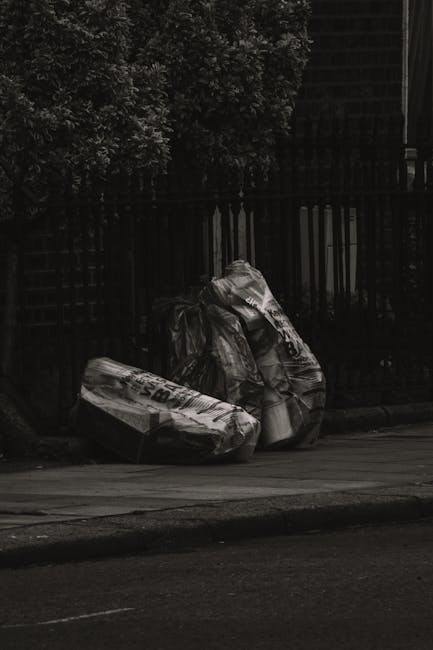
Sutherland Avenue bulky rubbish pickup options in Maida Vale: a practical local guide
If you live on Sutherland Avenue, you already know the awkward bits: a sofa that will not fit down the stairwell, an old wardrobe that seems to get heavier every time you move it, or a stack of builders' offcuts taking up the hallway. Finding the right Sutherland Avenue bulky rubbish pickup options in Maida Vale can save you time, stress, and a lot of unnecessary back-and-forth. It also helps you avoid the all-too-common mistake of leaving bulky waste outside and hoping for the best. Truth be told, that rarely ends well.
This guide walks through the main ways to arrange a bulky collection, what to check before booking, how local access can affect the job, and when a professional clearance service makes more sense than a DIY approach. You will also find a comparison table, a checklist, and a few practical tips that tend to get missed in the rush.
Expert summary: For bulky waste on Sutherland Avenue, the best choice usually comes down to access, item size, urgency, and how much lifting or sorting you want to handle yourself. If you want a smoother, safer, door-to-door solution, a reputable clearance provider is often the simplest route.
Why Sutherland Avenue bulky rubbish pickup options in Maida Vale Matters
Bulky waste is not just "more rubbish". It is usually the awkward stuff that does not fold, bag, or stack nicely: mattresses, settees, large cabinets, broken desks, exercise equipment, or renovation leftovers. On a street like Sutherland Avenue, where properties can vary from mansion flats to period conversions, the challenge is often less about the rubbish itself and more about the logistics of getting it out cleanly.
That matters for a few reasons. First, bulky items left in the wrong place can block entrances, create trip hazards, and irritate neighbours. Second, mixed waste can become a sorting headache if you do not separate recyclable material from general junk. And third, the method you choose affects the amount of lifting, waiting, and disruption in your day. Nobody wants to spend half a Saturday wrestling a wardrobe past the banister while the kettle has gone cold.
In Maida Vale, practicality usually beats theory. If you have limited access, narrow staircases, or a tight collection window, a service that can handle lifting, loading, and responsible disposal tends to be the least painful option. For many households, that is what makes local bulky rubbish pickup options so useful: they turn a difficult job into a managed one.
How Sutherland Avenue bulky rubbish pickup options in Maida Vale Works
Most bulky rubbish pickup services follow a similar process, although the details vary depending on the provider and the type of waste. The simplest version looks like this: you identify the items, request a quote or booking, agree a time, and then the team collects from inside or outside the property, depending on the arrangement.
There are usually a few moving parts to sort out before collection day. You may need to describe the items, share photos, explain access issues, and confirm whether the waste contains anything specialist such as electrical items, fridges, or construction debris. The more specific you are, the less chance there is of surprise on the day. It sounds obvious, but people often forget this until the van turns up and the item is, well, much bigger than remembered.
For busy residents on Sutherland Avenue, speed and clarity matter. A good provider should be able to explain what they can take, how they price the job, and what happens to the waste afterwards. If the service is handling mixed items, it should also be clear about sorting, reuse, and recycling. That kind of transparency builds trust, and frankly it saves time for everyone.
For readers who want to understand the provider side as well, the company's about us page gives useful context about how a local clearance business approaches the work. If you are weighing up costs before booking, the pricing and quotes information is worth checking too.
Key Benefits and Practical Advantages
The main benefit of arranging a proper bulky collection is simple: you get the space back without making a mess of the rest of your day. But there is a bit more to it than that.
- Less lifting and carrying: heavy or awkward items are removed safely by people used to handling them.
- Less disruption: the collection is arranged around your schedule rather than waiting for a vague opportunity.
- Better for access-heavy homes: flats, shared entrances, and basement properties can make DIY disposal a faff.
- Cleaner finish: professional removal often leaves fewer bits, scratches, and spillovers behind.
- More responsible disposal: items can be sorted for reuse, recycling, or appropriate disposal where possible.
There is also a mental benefit people do not talk about enough. A clear hallway or spare room changes the feel of a home almost instantly. You notice the light better. You move more easily. Even the echo of the room feels different. It is a small thing, but not really.
If sustainability matters to you, ask how reusable furniture, metal, wood, and electrical items are handled. A provider with a clear recycling and sustainability approach can help you make a more considered choice instead of sending everything to the same place. That is better for the environment and, in many cases, better for your conscience too.
Who This Is For and When It Makes Sense
Sutherland Avenue bulky rubbish pickup options in Maida Vale are useful for a wide range of people, not just those doing a major clear-out. In practice, the service makes sense whenever the item is too large, awkward, or heavy for regular waste collection and you do not want the hassle of transport yourself.
It is often the right choice if you are:
- moving out of a flat and need old furniture removed quickly
- replacing a bed, sofa, wardrobe, or dining set
- clearing a rental property between tenancies
- sorting a loft, basement, or spare room that has become a storage overflow zone
- dealing with renovation debris or stripped-out fixtures
- helping a relative clear a property after years of accumulated belongings
It may also suit landlords and managing agents who want a tidy handover. In shared buildings, timing matters a lot. A collection that is quick, quiet, and well-organised tends to go down far better than one that leaves cardboard in the lobby until Monday morning.
On the other hand, if you only have one very small item and easy access to a vehicle, a DIY run might be fine. The key is to compare the total effort, not just the money. Sometimes the "cheap" option is the one that uses the whole afternoon and your lower back.
Step-by-Step Guidance
If you want the process to run smoothly, it helps to treat bulky rubbish removal as a small project rather than a rushed errand. Here is a sensible way to handle it.
- List every item clearly. Write down what needs to go, including size, condition, and whether it can be dismantled.
- Check access. Think about stairs, door widths, lift access, parking, and whether the item can be removed without damage.
- Separate special items. Electrical goods, mattresses, and renovation waste may need different handling.
- Get a quote or estimate. Share photos if possible. That reduces confusion and keeps expectations realistic.
- Choose a convenient collection window. Morning pickups are often easier if you are trying to clear a room in one day.
- Prepare the items. Remove loose contents, unplug appliances, and clear a path to the exit.
- Confirm disposal details. Ask how the waste will be sorted and whether any items can be recycled or reused.
- Keep the area accessible. On collection day, make sure hallways, entrances, and shared areas are not blocked.
One small but important point: do not assume everything can be left in a pile outside. Some buildings and streets need careful timing or permission for external placement. If in doubt, ask before the day comes around. Saves trouble.
For service-related questions, bookings, or to talk through your situation, the contact page is the most direct next step. And if you want to understand how the business handles payments, the payment and security information is worth a quick look before confirming anything.
Expert Tips for Better Results
After enough collections, a few patterns become obvious. The jobs that go smoothly are rarely the ones with the fanciest plan. They are the ones where the basics were handled properly.
Measure the awkward items. A tape measure is boring, yes, but a sofa that will not fit through the doorway is a problem nobody wants to discover at the landing.
Take photos in daylight. Natural light shows item size, damage, and access more honestly than a dim hallway light ever will. Mid-morning often works well if the front room is a bit gloomy.
Ask about lifting policy. Some jobs require items to be carried from inside, others only from outside. That difference can affect price and planning.
Bundle like with like. Keep wood with wood, metal with metal, and bag small loose waste together where possible. It helps the crew work faster.
Think about reuse first. A solid chest of drawers in decent condition is not the same as a broken particleboard shelf. If something can be reused, say so.
Be honest about the mess. If there is water damage, sharp edges, hidden contents, or mixed rubble, mention it early. Nobody likes surprises on a narrow staircase.
And a small human tip from experience: leave yourself more time than you think you need. People always underestimate how long it takes to sort the one cupboard that somehow contains batteries, old chargers, a birthday candle, and a mysterious key. Every cupboard has one.
Common Mistakes to Avoid
Most bulky rubbish problems are avoidable. The issue is usually not bad luck; it is a missed detail or two that snowballs on the day.
- Booking too late: if you need a pickup by a specific date, leave some breathing room.
- Giving vague descriptions: "a few bits" is not enough if one of those bits is a three-seater sofa.
- Forgetting access constraints: parking, loading restrictions, and stair access can all affect the job.
- Mixing waste types without checking: not all items should be handled the same way.
- Leaving loose contents inside furniture: drawers, cupboards, and boxes should be checked before collection.
- Assuming the cheapest quote is best: value matters more than a low headline number.
Another common issue is underestimating the emotional side of clearing a home. Even a "simple" rubbish pickup can feel tiring if the items have been sitting there for months. That is normal. The trick is to break it into manageable steps and not try to do everything in one frantic sweep.
Tools, Resources and Recommendations
You do not need a lot of equipment, but a few basic tools can make the whole process easier.
- Tape measure: useful for doors, stairwells, and awkward furniture.
- Phone camera: for accurate photos before booking.
- Labels or marker pen: helps you separate items into keep, donate, recycle, and remove.
- Work gloves: handy if you are moving smaller items yourself.
- Basic screwdriver or hex key set: useful if furniture can be dismantled safely.
- Bin bags or boxes: for loose contents, screws, cables, and small offcuts.
As for what to look for in a provider, focus on clarity rather than hard selling. A good local service should explain its process, what happens to collected waste, and any items it cannot take. It should also be straightforward about terms and pricing. If the paperwork matters to you, review the terms and conditions so there are no awkward misunderstandings later.
There is also value in reading the company's trust and care pages. The health and safety policy and insurance and safety information can tell you a lot about how seriously the provider treats the actual job, not just the booking.
Law, Compliance, Standards, or Best Practice
For bulky waste in London, the safest approach is to use a provider that handles disposal responsibly and follows accepted UK waste-handling practices. You do not need to become an expert in waste law, but you should understand the basics: waste should be collected, transported, and disposed of properly, and the person arranging the clearance should not cut corners.
Best practice usually means a few simple things. Items should be sorted where practical. Reusable goods should be considered before disposal. Hazardous or specialist items should be flagged early. And the provider should be transparent about how the waste is managed after collection. That is especially important if you are clearing a mixed load from a flat, a refurbishment, or a rental turnover.
If you are a resident or landlord, keep a record of what was removed, when it was removed, and who completed the work. It is a small habit, but it can be helpful later if questions come up. Not glamorous, admittedly, but useful.
For businesses or property managers, it is also wise to use a provider with clear procedures around complaints, payment, and service expectations. The relevant support pages, such as complaints procedure and privacy policy, show that the company is thinking about more than just the job in front of it.
Options, Methods, or Comparison Table
There are a few realistic ways to deal with bulky waste on Sutherland Avenue. The right choice depends on time, access, and how much effort you want to spend.
| Option | Best for | Pros | Trade-offs |
|---|---|---|---|
| Municipal bulky collection | Simple domestic items with flexible timing | Can be convenient for standard household waste | May involve fixed rules, waiting, or limited item types |
| Self-haul to a disposal site | People with a vehicle and plenty of time | Full control over timing and sorting | Lifting, loading, parking, and multiple trips can be tiring |
| Private bulky rubbish pickup | Flats, heavy items, urgent clearances, awkward access | Door-to-door convenience and less manual effort | Usually more expensive than doing it yourself |
| Charity donation or reuse route | Items in decent condition | Potentially extends the life of usable furniture | Not suitable for damaged, unsafe, or heavily worn items |
For many Sutherland Avenue households, a private pickup is the sweet spot when speed and access matter more than squeezing every penny. If the item is large, the staircase is tight, or you simply do not want the stress, that tends to be the pragmatic answer.
Case Study or Real-World Example
A typical example: a couple in a Maida Vale flat had to clear a bedroom before new flooring was installed. The items included a king-size bed frame, a mattress, two bedside tables, and a broken desk that had been leaning in the corner for months. On paper, not a huge job. In reality, the hallway was narrow, there was a turn on the stairs, and the lift could not take the bed frame.
They started by measuring the frame and taking photos of the access route. That made it clear that dismantling would help. They separated the drawers, removed loose items, and checked what could be recycled. The collection itself took far less time than they expected because the preparation was done well. No drama, no last-minute panic, no furniture wedged in the doorway. A small thing, but a very satisfying small thing.
What made the biggest difference was not the size of the load. It was the planning. That is often the pattern with bulky rubbish: the smoother jobs are usually the ones where someone took ten minutes to think ahead.
Practical Checklist
Use this checklist before you arrange a pickup on Sutherland Avenue.
- List every item that needs removing
- Check whether anything can be reused, donated, or recycled
- Measure wide or awkward items
- Photograph the items and access route
- Confirm stairs, parking, and entry details
- Ask what types of waste are accepted
- Separate electrical items, mattresses, and special waste if needed
- Clear a path to the items
- Remove personal items from drawers and cupboards
- Confirm the booking time and any arrival instructions
- Review pricing, payment, and terms before you agree
- Keep contact details handy on the day
If you want to double-check service standards before booking, it may also help to review the provider's accessibility statement and modern slavery statement, especially if you value transparent operations and responsible business practice.
Conclusion
Choosing between the available Sutherland Avenue bulky rubbish pickup options in Maida Vale is mostly about making the job easier on yourself without sacrificing responsibility or reliability. If the items are awkward, the access is tricky, or you want a clean, quick result, a professional collection service is usually the most sensible route. If the load is tiny and logistics are simple, a DIY approach may still work fine.
The real win is not just getting rid of old furniture or clutter. It is reclaiming space, reducing stress, and handling the process in a way that feels organised rather than rushed. That matters in a busy London neighbourhood where time and access are both precious.
Get a free quote today and see how much you can save.
If you are ready to move from "I should deal with that" to "that's sorted now," reach out and get the ball rolling. A calm, well-planned pickup can make the whole week feel lighter. Honestly, sometimes that empty corner says more than the old sofa ever did.
Frequently Asked Questions
What counts as bulky rubbish on Sutherland Avenue?
Bulky rubbish usually means items that are too large, heavy, or awkward for normal household collection. That often includes sofas, wardrobes, beds, mattresses, tables, chairs, appliances, and renovation leftovers. If it needs two people to lift comfortably, it is probably bulky.
Can I leave bulky items outside for pickup?
Only if the collection arrangements clearly allow it. In many cases, especially in shared buildings or on busy streets, it is better to confirm exactly where items should be placed and when. Leaving items out too early can create problems for neighbours and building management.
How much notice do I need for a bulky rubbish pickup?
That depends on the provider and how busy they are. If you have a deadline, such as a move-out or renovation start date, book as early as you reasonably can. A bit of lead time gives you more options and fewer last-minute headaches.
Do I need to dismantle furniture before collection?
Not always, but dismantling can make access much easier and may lower the risk of damage during removal. Flat-pack wardrobes, bed frames, and shelving units are often easier to move in pieces. If you are not sure, ask before the collection date.
What happens to the items after pickup?
That depends on their condition and the provider's process. Reusable items may be set aside for a second life, while other materials may be sorted for recycling or disposal. A good provider should be open about how it handles different waste streams.
Are electrical items included in bulky waste pickup?
Often yes, but not always in the same way as general furniture. Fridges, freezers, televisions, and similar items may need separate handling. It is always best to mention electrical goods when you ask for a quote.
How do I choose the best option for a flat in Maida Vale?
Look at the practicalities first: stairs, lift access, parking, item weight, and how much lifting you can manage. For flats, especially in older buildings, a door-to-door clearance service is often the least stressful choice.
Is a private pickup better than hiring a van myself?
It depends on the load and your time. Hiring a van can work for straightforward jobs, but you still have to do the lifting, loading, driving, and disposal. A private pickup is usually more convenient when the items are heavy or the access is awkward.
What if I only have one item to remove?
Even one item can be worth booking if it is too bulky to move safely or if you do not have the right vehicle. A single mattress or sofa can be surprisingly difficult to deal with on your own. One item, yes. Still a proper job.
How can I make the pickup cheaper or easier?
Prepare well. Measure items, provide clear photos, separate reusable goods, and make the access route as simple as possible. Accurate information often leads to more efficient collections and fewer surprises in the quote.
What should I ask before I book?
Ask what items are accepted, how pricing is calculated, whether lifting from inside is included, how payment works, and what happens to the waste afterwards. If you want a clearer sense of service quality, review the provider's policy pages and pricing details before confirming.
What if my bulky waste includes mixed materials?
That is common. Furniture, metal, wood, textiles, and loose household items often end up in the same clear-out. The important thing is to describe the mix clearly so the provider can plan sorting and disposal properly.