Westminster Council rubbish disposal rules for Maida Vale: a practical guide for households, flats and local businesses
If you live or work in Maida Vale, rubbish disposal sounds simple right up until you are standing beside a pile of bags, broken furniture, or renovation debris wondering what Westminster Council will actually take, what needs booking, and what might trigger a fine or a messy doorstep problem. Truth be told, this is one of those everyday tasks that gets more complicated the moment you have bulky waste, a flat move, or builders' waste in a shared building.
This guide explains Westminster Council rubbish disposal rules for Maida Vale in plain English. You will learn how collections usually work, what the common restrictions are, how to avoid mistakes, and when a professional clearance service can be the calmer option. We will keep it local, practical, and realistic. No fluff. No guesswork. Just the sort of advice that helps when the bags are by the hall door and the clock is ticking.
- Why Westminster Council rubbish disposal rules for Maida Vale matters
- How Westminster Council rubbish disposal rules for Maida Vale works
- Key benefits and practical advantages
- Who this is for and when it makes sense
- Step-by-step guidance
- Expert tips for better results
- Common mistakes to avoid
- Tools, resources and recommendations
- Law, compliance, standards, or best practice
- Options, methods, or comparison table
- Case study or real-world example
- Practical checklist
- Conclusion
- Frequently asked questions
Why Westminster Council rubbish disposal rules for Maida Vale Matters
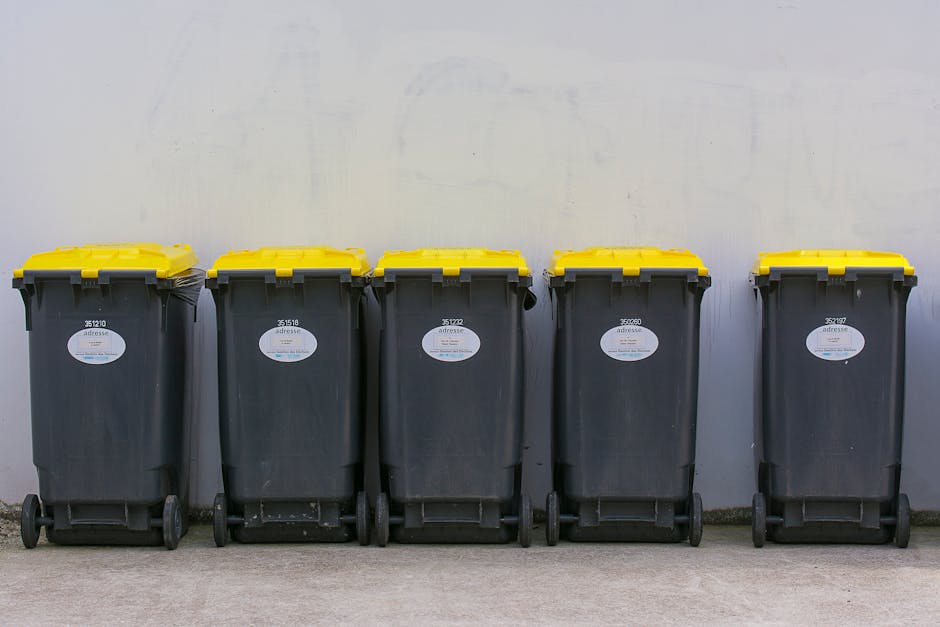
Maida Vale is a place where disposal habits matter more than many people expect. The area has a mix of mansion blocks, converted flats, period terraces, mews properties, rental homes and busy commercial premises. That means waste often has to be managed in shared spaces, narrow streets, timed collection windows, and buildings where one person's bin mistake becomes everyone else's headache.
When rubbish is placed out incorrectly, the impact is immediate. Bags can split, bins can overflow, gulls and foxes can get into them, and a whole street can start to look untidy by the end of the afternoon. In a residential block, even a small error can create friction with neighbours or the managing agent. And let's face it, nobody wants to be the person whose broken wardrobe ends up half-blocking the pavement on a wet Tuesday morning.
Understanding the rules is also about avoiding wasted time. If you book the wrong collection, leave waste out too early, or separate materials badly, you may need to redo the job or arrange another pickup. That is annoying at best and expensive at worst. For households, landlords, letting agents, and local businesses, a clear process saves a lot of stress.
Expert summary: The practical goal is not just getting rid of rubbish. It is getting rid of it in a way that is legal, tidy, safe, and fair to the people sharing the street or building with you.
How Westminster Council rubbish disposal rules for Maida Vale Works
In broad terms, rubbish disposal in Maida Vale follows the same principles as much of Westminster: use the correct containers or booked services, keep waste presented properly, separate recyclable material where required, and do not block pavements or create hazards. The details can vary depending on the type of waste and the property setup, which is why the rules feel a little different if you are in a basement flat, a top-floor conversion, or a shop unit on a busy road.
For normal household rubbish, residents typically rely on regular bin collections and recycling arrangements. For larger items, bulky waste, or special materials, you usually need a separate disposal route. That may mean arranging a council collection if available, taking items to an authorised site where permitted, or using a licensed clearance service that can remove items in one visit. If you are dealing with a full property clear-out, options like house clearance or home clearance are often more practical than trying to piece things together over several days.
The rules also tend to be stricter for certain materials. Builders' rubble, plasterboard, electrical items, fridges, paints, chemicals and commercial waste are not the same as an old bin bag or a chair. Put simply, rubbish is not one single category. That is where people go wrong. A bag of clothes, a broken washing machine and a pile of offcuts from a refurb should not be treated the same way.
If you are clearing a flat, things can be especially fiddly. Shared entrances, lift restrictions, concierge rules and limited curb space can all change what is realistic. In that situation, a service like flat clearance can help remove items without turning the hallway into an obstacle course.
What usually needs extra care
- Bulky furniture and mattresses
- Electrical items and appliances
- Builders' and renovation waste
- Garden cuttings and soil
- Commercial rubbish from offices or shops
- Hazardous or potentially hazardous materials
For many Maida Vale residents, the biggest issue is not the amount of waste. It is the mix of waste. One week it is just black sacks. The next week it is a broken bed frame, two boxes of old paperwork, and a tired-looking chest of drawers that will not fit down the stairs without a bit of planning. That mix changes the disposal route.
Key Benefits and Practical Advantages
Following the right disposal route is not just about compliance. It makes daily life easier. Done properly, rubbish disposal reduces clutter, keeps the property looking cared for, and avoids those awkward moments when neighbours wonder why a sofa is sitting on the pavement for three days.
Here are the main practical advantages:
- Cleaner shared spaces: Better presentation in blocks, courtyards and front gardens.
- Less risk of complaints: Fewer issues with neighbours, building managers and landlords.
- Safer movement: Reduced trip hazards in stairwells, doorways and narrow hallways.
- Faster property turnover: Useful for lettings, sales, end-of-tenancy work and refurbishments.
- Better recycling outcomes: Easier to separate what can be reused or recycled.
There is also a real time benefit. If you clear waste in one structured sweep rather than several improvised trips, the whole job becomes less tiring. That matters when you are balancing work, childcare, moving day, or a contractor waiting on site. A bit of organisation saves more energy than you think.
When items still have life left in them, reuse and careful redistribution can be sensible too. If you are dealing with good-quality items rather than general rubbish, furniture disposal and furniture clearance can be a cleaner way to move on old pieces without improvising with the pavement and a van full of regret.
Who This Is For and When It Makes Sense
This topic matters to more people than you might expect. It is not just for homeowners with a spring clean underway. In Maida Vale, rubbish disposal rules affect renters, landlords, property managers, builders, tradespeople, business owners and anyone responsible for keeping shared areas tidy.
Typical situations where the rules matter most
- End-of-tenancy clearances: Tenants leaving behind mixed waste, broken items or leftovers from a move.
- Flat clear-outs: Shared stairwells, limited access and no room for errors.
- House moves: Extra packaging, old furniture and last-minute sorting.
- Refurbishment work: Plaster, tiles, timber, packaging and offcuts.
- Garden refreshes: Cuttings, pots, soil and old outdoor furniture.
- Office or shop changes: Desks, files, shelving, fixtures and everyday commercial waste.
If you are a business, the rules can feel more unforgiving because waste is expected to be handled responsibly and consistently. That is where business waste removal becomes relevant, especially when you need reliable collection rather than ad hoc disposal.
Homeowners usually want speed and simplicity. Landlords want a clean handover. Tradespeople want the site cleared without disrupting the next stage of work. Different needs, same underlying issue: the waste has to go somewhere, and it has to go the right way. Simple enough in theory. Slightly less simple on a Monday morning with a lift out of service.
Step-by-Step Guidance
If you are trying to handle rubbish disposal properly in Maida Vale, the safest approach is to work through the job in order. That stops the usual chaos of "we'll sort it later," which is a phrase that tends to create more work, not less.
1. Identify the waste type
Start by separating general household rubbish from recycling, bulky items, electricals, and any special waste. This matters because different waste types follow different handling routes. A bag of bedding and a broken radiator should not be bundled together without thought.
2. Check what can stay in normal bins
Small everyday waste often belongs in the regular bin or recycling container, provided you present it correctly. Keep lids shut where possible. Do not overfill bags so badly that they split the moment someone touches them. You know the kind. They sag, leak and make that horrible wet cardboard smell in the hallway.
3. Set aside bulky and awkward items
Anything too big for a bin needs a different plan. Furniture, mattresses, shelving, white goods and builders' debris should be isolated early so they do not get mixed with normal waste. If the items are still usable or just need to be removed from a property quickly, a specialist clearance route is usually better than leaving them to wait for days.
4. Think about access
In Maida Vale, access is often the hidden issue. Is there a lift? A narrow stairwell? A basement entrance? A resident-only courtyard? Can a vehicle stop legally nearby? These details decide whether the job is straightforward or mildly ridiculous. Before moving anything, check the route out of the property.
5. Choose the right disposal method
Your options depend on volume, urgency and waste type. For small amounts, normal council collection processes may be enough. For mixed or bulky loads, you may need a clearance company. For a loft packed with old boxes, holiday decorations and a surprising number of lampshades, a loft clearance can save a lot of back-and-forth.
6. Present the waste neatly
Put waste out in an orderly way. Keep bags sealed. Keep sharp items wrapped. Do not stack items in a way that blocks access or creates hazards. If you are using a service, a tidy presentation usually speeds up collection and reduces the chance of something being missed.
7. Keep records where needed
For business or landlord use, keep a basic record of what was removed, when it happened and who handled it. It is not glamorous, but it is helpful. A short note in a file can spare a lot of awkwardness later.
Expert Tips for Better Results
After dealing with a fair few clearance jobs, one thing stands out: the best results come from small decisions made early. Not dramatic ones. Just sensible ones.
- Sort first, lift second: Spend 10 minutes separating items before you start carrying bags downstairs.
- Protect shared areas: Use blankets, cardboard or careful handling when moving furniture through common hallways.
- Keep a "do not mix" pile: Electricals, sharp items and paperwork should be kept apart from general rubbish.
- Clear from the top down: In lofts and storage rooms, remove lighter items first so the heavy stuff is easier to assess.
- Book around building schedules: If there is cleaning, concierge coverage or contractor work, plan around it rather than fighting it.
- Ask about reuse before disposal: Some furniture can be reused, donated or repurposed. If not, at least you will know.
A small but useful habit is to take one photo of the load before it moves. Not for social media, obviously. Just for your own reference if you need to confirm what was there, especially in shared properties or rental handovers. It sounds a bit overcareful until something goes missing. Then it sounds smart.
For mixed household jobs, home clearance and house clearance services are often the easiest fit because they can handle a broad spread of items in one appointment. Less juggling, fewer loose ends.
Common Mistakes to Avoid
Most waste disposal problems in Maida Vale are not dramatic. They are the result of ordinary mistakes made under time pressure. A bit of prevention goes a long way.
- Leaving items out too early: This creates mess, attracts complaints and can cause obstructions.
- Mixing materials that should stay separate: Especially relevant for appliances, sharp waste and refurbishment debris.
- Blocking entrances or pavements: Shared spaces need to remain safe and passable.
- Assuming all waste can be treated the same way: It cannot.
- Forgetting bulky items need special handling: Large furniture is not just "a bigger bag."
- Using an unplanned shortcut: Quick fixes often turn into repeat work.
Another common slip is underestimating the amount of waste. One box room becomes two. One cupboard becomes a whole afternoon. Then the old vacuum cleaner appears from somewhere and nobody remembers adding it. That is normal. Just be realistic about volume from the start.
Tools, Resources and Recommendations
You do not need fancy equipment to dispose of rubbish well, but a few simple tools make everything easier. Basic moving gloves, heavy-duty sacks, marker pens, tape, a sack truck or trolley, and a phone camera can make the job far more manageable.
It also helps to use the right local service for the task. If the waste is mainly bulky household items, flat clearance or furniture clearance may be the neatest route. If the waste is from building work, builders waste clearance is the more suitable option. If the job is business-related, office clearance can help with desks, storage units and general workspace items.
For customers who want a clearer idea of charges before booking, the pricing and quotes page is a useful starting point. If you are comparing methods, that is often where the real decision begins, because price, access and speed usually matter together rather than one at a time.
And if sustainability matters to you, which it often does in a busy London neighbourhood, take a look at the company's approach to recycling and sustainability. It helps to know that waste is being handled with a sensible eye to reuse and recovery where possible.
Law, Compliance, Standards, or Best Practice
This is the part many people skim, then regret later. Rubbish disposal is not just a household chore. It sits within wider UK waste rules and local expectations around safe handling, duty of care, and keeping streets and shared spaces free from obstruction.
In practical terms, that means you should:
- Use lawful, appropriate disposal routes for the waste type
- Avoid fly-tipping or leaving waste in places that create a nuisance
- Keep commercial waste separate from household waste
- Make sure anyone removing waste is suitably set up to handle it responsibly
- Handle sharps, electrics, chemicals and heavy items with proper care
If you run a business in Maida Vale, your expectations are usually higher than for a one-off domestic clear-out. Waste needs to be managed consistently, not just when things start looking untidy. The same goes for landlords and managing agents, who have a duty to keep properties presentable and safe for residents and visitors.
Best practice is simple enough, even if the details can get fiddly: identify the waste, separate it properly, store it safely, and use a disposal method that matches the material. Do that, and most of the common problems disappear before they begin.
Options, Methods, or Comparison Table
There is no single best way to dispose of rubbish in Maida Vale. The right method depends on quantity, access, urgency and the type of waste you are dealing with. Here is a straightforward comparison.
| Method | Best for | Strengths | Limitations |
|---|---|---|---|
| Normal household bin collection | Routine everyday rubbish and recyclables | Simple, familiar, low effort | Not suitable for bulky, mixed or special waste |
| Booked council-type collection | Selected bulky items or special pickups | Convenient for smaller one-off jobs | May involve restrictions, timing and item rules |
| Self-managed disposal | People with transport and time | Direct control over sorting and timing | Physically demanding, time-consuming, not ideal for flats |
| Professional clearance service | Mixed loads, bulky waste, fast turnarounds | Efficient, less lifting, suited to awkward access | Usually the most service-led option, so you will want a clear quote |
For a lot of Maida Vale properties, the professional route wins on practicality alone. Not always. But often. Especially where stairs, parking and mixed waste are all in the same sentence.
Case Study or Real-World Example
Picture a typical Maida Vale flat. A tenant is moving out on a Friday. There is a disassembled bed, a broken wardrobe, several black sacks, a microwave that has seen better days, and a small pile of cardboard from the move. The hallway is narrow, the lift is shared, and the building manager wants the common area kept clear for other residents.
If the tenant tries to deal with this as ordinary bin waste, it quickly becomes awkward. The sacks are fine, but the wardrobe pieces are too large, the microwave needs separate handling, and the cardboard will not sit neatly in the usual containers. So the result is delay. Bags wait in the corner. The wardrobe leans against the wall. The move gets more stressful by the hour.
In a case like that, a planned clearance is much cleaner. The items are grouped, the route out is checked first, and the load is taken in one go. That means less disruption for neighbours, less pressure on the leaving tenant, and a better handover for the landlord or letting agent. Not glamorous, but extremely effective.
If the same flat also had a few pieces of unwanted furniture in good condition, a targeted furniture pickup would be even more sensible than mixing everything into the general rubbish stream. Small choice, big difference.
Practical Checklist
Use this checklist before you put anything out or book a collection.
- Have I identified the waste type correctly?
- Have I separated recyclables, general rubbish and bulky items?
- Do any items need special handling because they are sharp, heavy, electrical or potentially hazardous?
- Is the access route clear from the room to the exit?
- Will the waste block a hallway, doorway or pavement if I leave it outside?
- Do I know whether this is a normal collection, a booked pickup or a clearance job?
- Have I checked if furniture or other items could be reused or removed separately?
- Do I need help with stairs, parking or heavy lifting?
- Have I taken photos or notes if I need a record?
- Am I confident the disposal route is suitable for this material?
If you can tick most of those without hesitation, you are in good shape. If not, pause and sort it properly. A bit of patience here saves a lot of awkwardness later.
Conclusion
Westminster Council rubbish disposal rules for Maida Vale are easiest to follow when you treat waste as a planning task, not just a last-minute chore. Once you know the difference between everyday rubbish, bulky items, recycling, commercial waste and renovation debris, the whole process becomes far more manageable.
For many local homes and businesses, the real challenge is access, timing and mixed waste, not the waste itself. That is why a clear system matters. Sort it early. Choose the right route. Keep shared areas tidy. And if the job is bigger than a couple of bin bags, do not force it into a method that does not fit.
When disposal is handled well, the property feels calmer, the street looks better, and everyone involved has a slightly easier day. Which, honestly, is a pretty good outcome.
Get a free quote today and see how much you can save.
If you want a straightforward next step, speak to a local team that understands Maida Vale properties, access issues and responsible disposal. That way, the job gets done properly and you can move on with the rest of your day. Nice and simple.
Frequently Asked Questions
What counts as rubbish under Westminster Council rules in Maida Vale?
In practical terms, rubbish includes everyday household waste, recycling, food waste, packaging and items that can be collected through normal disposal routes. Bulky furniture, electricals, renovation debris and commercial waste usually need different handling.
Can I leave bulky waste outside my Maida Vale property?
Only if it is being presented in a lawful, permitted way and at the correct time. Leaving bulky waste out too early or in the wrong place can create obstruction and complaints, especially on shared streets or in flat blocks.
What should I do with old furniture?
That depends on the condition and size of the items. Usable pieces may be suitable for reuse or a dedicated clearance. Damaged or broken items often need specialist collection. If you have several items, a furniture-focused service is usually easier.
How do I dispose of rubbish from a flat in Maida Vale?
Flat clearances often need extra planning because of stairs, lifts, shared entrances and limited outdoor space. For that reason, many people choose a flat clearance service rather than trying to manage everything through ordinary bins.
What happens if I mix builders' waste with household rubbish?
It can cause problems because builders' waste and household rubbish are handled differently. Mixed loads are more difficult to process, and some materials may need separate treatment for safety and compliance reasons.
Is business waste treated differently from home waste?
Yes, it usually is. Businesses are expected to manage waste responsibly and consistently, and mixed commercial rubbish should not be treated like ordinary household waste. A business waste collection route is normally more appropriate.
How can I make rubbish disposal easier in a shared building?
Start by sorting waste early, keeping pathways clear and timing movement carefully. In shared buildings, a tidy, planned removal is much less disruptive than trying to drag everything out at once.
Do I need to separate recycling before disposal?
Where recycling facilities or collection rules require it, yes. Even when not compulsory for every item, separating recyclable material is better practice and helps reduce avoidable waste.
What if I have old items in a loft or garage?
Lofts and garages tend to contain mixed, forgotten items, so they often need a more structured approach. A loft clearance or garage clearance is usually more practical than trying to shift everything in a single improvised run.
How do I know whether a clearance service is the right option?
If you have bulky items, limited access, mixed waste or not enough time to handle the job yourself, a clearance service is often the sensible choice. It saves lifting, sorting and repeat trips.
What is the safest way to handle sharp or heavy waste?
Keep sharp items wrapped and separated, and do not carry overly heavy loads alone. Use proper lifting methods, take your time on stairs and avoid leaving hazardous items loose in common areas.
Where can I get help with rubbish disposal in Maida Vale?
If the waste is more than routine bin rubbish, it may be worth speaking to a local clearance team. You can explore service options, pricing and practical support through the site, then choose the route that fits your property and schedule best.